Skip to content


Feeling exhausted, struggling to sleep or simply not feeling quite like yourself? If you’re a man in your 40s or 50s, you might have heard someone suggest it’s the ‘male menopause’.
But is male menopause actually a thing?
It’s a question worth asking, because while the term might be misleading, the symptoms some men experience during midlife are very real.
Changes in energy, mood, concentration, muscle strength and sexual wellbeing can all become noticeable as men get older.
Some people call this andropause. Others refer to it as male menopause.
But what’s really happening? Is testosterone to blame? And what can you do if you’re experiencing these changes yourself?
As part of Men’s Health Awareness Month, we’re separating the facts from the assumptions.
Male Menopause and Andropause: What Do These Terms Actually Mean?
Here’s something that might surprise you.
According to the NHS, male menopause isn’t actually the male equivalent of female menopause.
During female menopause, reproductive hormone levels change significantly over a relatively short period.
In men, testosterone levels tend to decline much more gradually.
The NHS explains that testosterone levels generally fall by around 1% each year from approximately the age of 30 to 40.
For many men, this gradual decline causes no noticeable problems at all.
So why do we hear so much about male menopause?
Because some men do experience significant physical and emotional changes during midlife, and the term has become a familiar way of describing them.
The problem is that it can suggest there’s one simple hormonal explanation for everything.
And that’s not necessarily the case.
The terminology might be misleading, but that doesn’t make the symptoms any less important.
What Are the Symptoms of Male Menopause?
The NHS identifies several symptoms that some men experience during their late 40s and early 50s.
These include:
- Persistent tiredness: Feeling unusually exhausted or lacking your usual energy.
- Sleep problems: Difficulty falling asleep, waking during the night or feeling tired despite resting.
- Mood changes: Feeling more irritable, anxious or low than usual.
- Reduced sex drive: Noticing changes in sexual desire or experiencing erectile difficulties.
- Poor concentration: Finding it harder to focus or experiencing problems with short-term memory.
- Changes in muscle strength: Noticing reduced muscle mass or finding physical activity more challenging.
- Changes in body composition: Experiencing increased abdominal fat or changes in muscle mass.
- Reduced motivation: Losing enthusiasm for activities you previously enjoyed.
Recognise any of those?
It’s tempting to assume they’re simply part of getting older.
But here’s the important bit.
Experiencing these symptoms doesn’t automatically mean you have low testosterone.
Stress, poor sleep, mental health difficulties and other medical conditions can all contribute.
Understanding the cause is far more useful than putting everything down to age.
Is Testosterone Really Responsible?
Testosterone plays an important role in men’s health, including sexual function, muscle development and bone health.
And yes, testosterone levels generally decline as men get older.
But that doesn’t mean every man will develop symptoms or need treatment.
In some cases, men develop a genuine testosterone deficiency, sometimes called late-onset hypogonadism.
This is a recognised medical condition that can cause symptoms affecting physical and sexual wellbeing.
It may sometimes occur alongside conditions such as obesity or type 2 diabetes.
Unlike the general idea of male menopause, testosterone deficiency requires appropriate medical assessment.
A GP may recommend blood tests to measure testosterone levels and investigate other possible causes.
If a deficiency is confirmed, treatment may be considered following further assessment.
Testosterone replacement isn’t a general solution for feeling tired, stressed or older. It’s a medical treatment for specific circumstances.
Male Menopause and Andropause: Could Lifestyle Be Part of the Picture?
Here’s where things get particularly interesting.
Some of the symptoms associated with male menopause may have little or nothing to do with testosterone.
The NHS highlights stress, anxiety, depression, poor sleep, diet, physical inactivity, alcohol and smoking as possible contributing factors.
And when you think about the pressures many men experience during their 40s and 50s, perhaps that’s not entirely surprising.
Work responsibilities. Financial pressures. Family commitments. Relationship changes. Worries about ageing parents.
Sometimes it’s not one big thing. It’s the accumulation of lots of smaller things.
Five Practical Ways to Support Your Wellbeing in Midlife
1. Take sleep seriously
Poor sleep can affect concentration, energy and mood.
Try establishing regular sleeping and waking times, reducing late-night screen use and creating a comfortable sleeping environment.
If sleep problems persist, speak to your GP rather than simply accepting them.
2. Make movement part of everyday life
Walking, cycling, swimming and strength-based activities can all help maintain physical fitness and support mental wellbeing.
You don’t need an elaborate fitness programme.
Finding something you enjoy and can do consistently is a good place to start.
3. Look at your everyday nutrition
A balanced, varied diet provides nutrients needed for normal bodily functions.
Focus on vegetables, fruit, wholegrains, appropriate sources of protein and staying hydrated.
Rather than chasing the latest dietary trend, consider whether your usual eating habits are meeting your nutritional needs.
4. Recognise the impact of stress
Stress isn’t always obvious.
Sometimes it shows up as disrupted sleep, irritability, poor concentration or feeling constantly exhausted.
Making time to unwind, spend time outdoors or talk to someone you trust can help.
If stress or anxiety is affecting everyday life, professional support may be useful.
5. Review alcohol and smoking
Alcohol and smoking can affect several aspects of physical and mental health.
Reducing alcohol intake and seeking support to stop smoking can contribute to better long-term health.
None of these steps is a guaranteed solution to persistent symptoms.
But they’re sensible foundations for looking after your health, whatever your age.
What About Supplements for Men’s Wellbeing?
It’s understandable that when you’re feeling tired or not quite yourself, you might start looking for something that could help.
And the supplement market certainly offers plenty of products aimed at men in midlife.
But here’s our view at Lewtress Natural Health.
More supplements aren’t automatically the answer.
Good nutrition should always begin with a balanced diet, and supplements may have a place where particular nutritional needs have been identified.
However, supplements are not a treatment for testosterone deficiency, erectile dysfunction or the collection of symptoms commonly described as male menopause.
If you’re experiencing persistent changes in how you feel, understanding the underlying cause should come first.
We believe in helping people make informed choices about the products they use, rather than simply following the latest wellbeing trend.
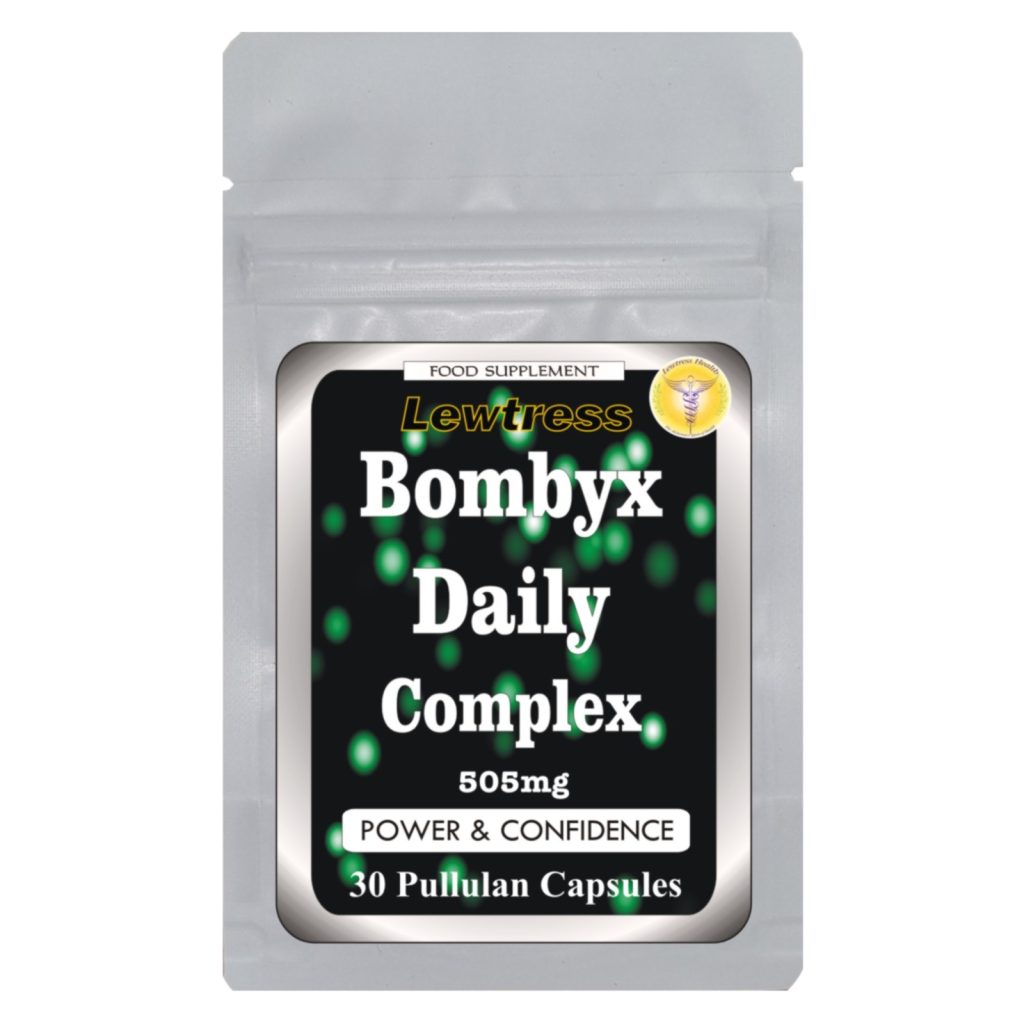
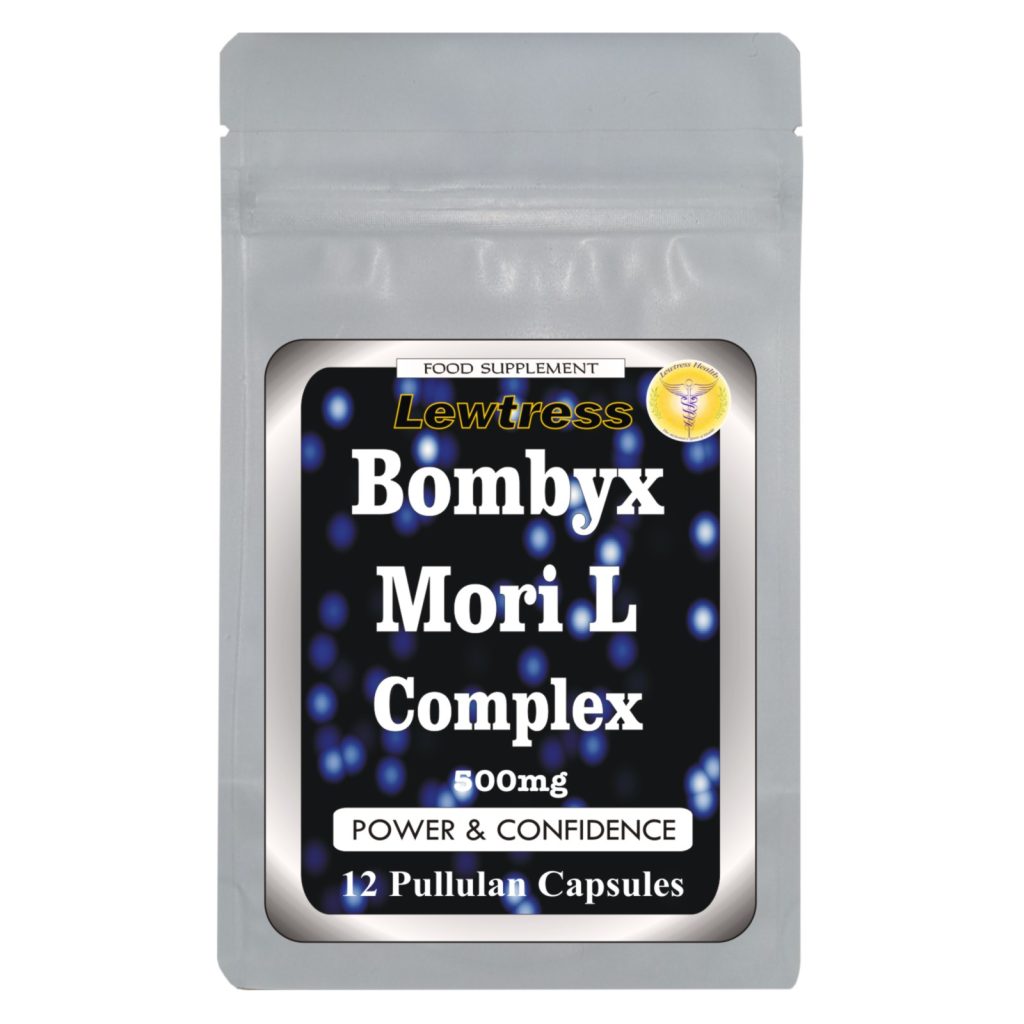
If you’re reviewing your everyday nutrition, you can explore our range of supplements and learn more about their ingredients and intended uses.
Explore Our Men’s Health Range
Because making the right choice for your wellbeing is far more important than simply adding another supplement to your routine.
When Should You Speak to Your GP?
One of the biggest mistakes anyone can make is assuming that feeling increasingly tired, low or physically different is simply an inevitable part of ageing.
If symptoms are persistent, worsening or affecting your quality of life, it’s worth seeking medical advice.
Particularly if you’re experiencing:
- Ongoing tiredness that doesn’t improve with adequate rest.
- Persistent low mood, anxiety or changes in motivation.
- Changes in sexual desire or erectile function.
- Sleep problems that interfere with everyday life.
- Unexplained changes in strength, weight or physical wellbeing.
- Difficulties with concentration or memory.
Your GP can explore possible causes and recommend appropriate investigations or treatment.
And if testosterone deficiency is suspected, blood tests can help determine whether further assessment is needed.
The important thing is not to self-diagnose or assume that everything comes down to hormones.
The Bottom Line: The Name Might Be Misleading, but the Symptoms Are Real
So, is male menopause really a thing?
Not in the same way that female menopause is.
Men don’t typically experience the same sudden hormonal transition, and the term ‘andropause’ can give a misleading impression of what’s happening.
But some men do experience genuine physical and emotional changes during midlife.
For some, testosterone deficiency may be involved.
For others, the explanation could be stress, poor sleep, lifestyle factors or an underlying medical condition.
And sometimes, several factors may be contributing at once.
What matters isn’t finding a convenient label.
It’s understanding what’s happening and taking appropriate steps to look after your health.
This Men’s Health Awareness Month, perhaps the most important message is this:
If you haven’t been feeling quite like yourself lately, don’t just put it down to getting older.
Ask questions. Get advice. Start the conversation.
Because looking after your health matters at every stage of life.
Wellness Without The Noise
Less hype. More understanding.
Further reading: NHS: The ‘male menopause’
This article is intended for general information and does not replace individual medical advice. If you’re concerned about persistent symptoms, speak to a qualified healthcare professional.