Skip to content


Wellness Without The Noise #21
An Amazonian botanical with an intriguing nickname, a centuries-old reputation and a fascinating connection to desire, vitality and traditional wellbeing.
Some plants have a history. Others have a reputation.
And then there’s Muira Puama.
Known by the rather intriguing nickname Potency Wood, this South American botanical has been associated with passion, desire and vitality for generations.
It’s certainly not a name that leaves much to the imagination!
But behind that memorable nickname lies a fascinating story of Amazonian traditions, botanical knowledge and a plant that has captured people’s curiosity far beyond its native home.
So what exactly is Muira Puama, and how did it earn such an extraordinary reputation?
Meet Muira Puama: The Amazon’s Famous Potency Wood
Muira Puama, particularly the species Ptychopetalum olacoides, is a small tree native to parts of the Amazon region of South America.
Its roots and bark have a long history of use in traditional Brazilian herbal preparations.
And while many botanical ingredients have become associated with general wellbeing, Muira Puama developed a rather more specific reputation.
Traditionally, it has been described as an aphrodisiac, with associations ranging from sexual desire and intimacy to physical vitality and stamina.
These associations eventually earned it the nickname Potency Wood.
It’s a name that has travelled remarkably well, becoming almost as recognisable as the plant’s botanical name.
Why Has Muira Puama Been Associated With Desire?
Throughout history, cultures around the world have turned to plants in connection with romance, intimacy and vitality.
From ginseng in East Asian traditions to damiana in Central America, certain botanicals have developed reputations that go well beyond their appearance.
Muira Puama occupies a particularly interesting place in this history.
In Brazilian herbal traditions, preparations made from its roots and bark have been associated with sexual desire and physical vigour.
Its reputation has also extended to what might historically have been described as nervous exhaustion or a general lack of vitality.
A Botanical With More Than One Reputation
Although Potency Wood is the name that attracts the most attention, Muira Puama’s traditional story isn’t exclusively about romance.
Historical herbal accounts have also associated the plant with:
- Vitality and stamina: Traditionally valued in preparations associated with physical vigour.
- Desire and intimacy: Perhaps its most famous association, reflected in the nickname Potency Wood.
- Mental alertness: Appearing in traditional accounts relating to nervous energy and fatigue.
- General wellbeing: Used as part of wider Brazilian herbal traditions.
It’s an interesting example of how a single botanical can acquire several different roles within traditional herbal culture.
And while modern consumers often encounter Muira Puama in capsule form, its story began long before concentrated extracts and supplement packaging existed.
From Traditional Herbal Preparations to Modern Extracts
Historically, Muira Puama was prepared using plant material such as roots and bark.
Today, concentrated botanical extracts offer a different way of incorporating the plant into a supplement.
You may have noticed that some botanical products are described using ratios such as 10:1 or 20:1.
But what do those numbers actually mean?
Understanding a 20:1 Extract
A 20:1 extract generally means that approximately 20 parts of the original botanical material are used to produce one part of finished extract.
For example, 480mg of a 20:1 extract corresponds to approximately 9,600mg of starting plant material.
That doesn’t mean the capsule physically contains 9,600mg of powder. It describes the amount of botanical material used in the concentration process.
It’s a useful distinction when exploring the different ways herbal supplements are produced.
Discover Lewtress Muira Puama
At Lewtress Natural Health, our Muira Puama supplement brings this intriguing botanical tradition into a convenient capsule format.
Our formulation features:
- 480mg of Muira Puama 20:1 extract per capsule
- Equivalent to 9,600mg of dried root powder
- 60 plant-based capsules per pouch
- Suitable for vegans and vegetarians
- Made in the UK
Whether you’re already familiar with Muira Puama or have only just discovered the story behind Potency Wood, it’s certainly one of the more unusual botanicals in the Lewtress collection.
Why Do Botanicals Like Muira Puama Continue to Fascinate Us?
Perhaps it’s the connection to the Amazon rainforest.
Perhaps it’s the unusual name.
Or perhaps it’s simply that humans have always been curious about the plants traditionally associated with energy, passion and wellbeing.
Muira Puama brings all three together.
Its journey from Brazilian herbal traditions to modern botanical supplements reflects a much wider story: the enduring fascination with plants, their histories and the roles they have played in different cultures.
And sometimes, understanding that history is interesting enough in its own right.
After all, how many botanicals can claim a nickname quite as memorable as Potency Wood?
That’s another little piece of botanical history explored, without the noise.
A Little Something Extra From Lewtress! 🎁
FREE Muira Puama Worth £28.20
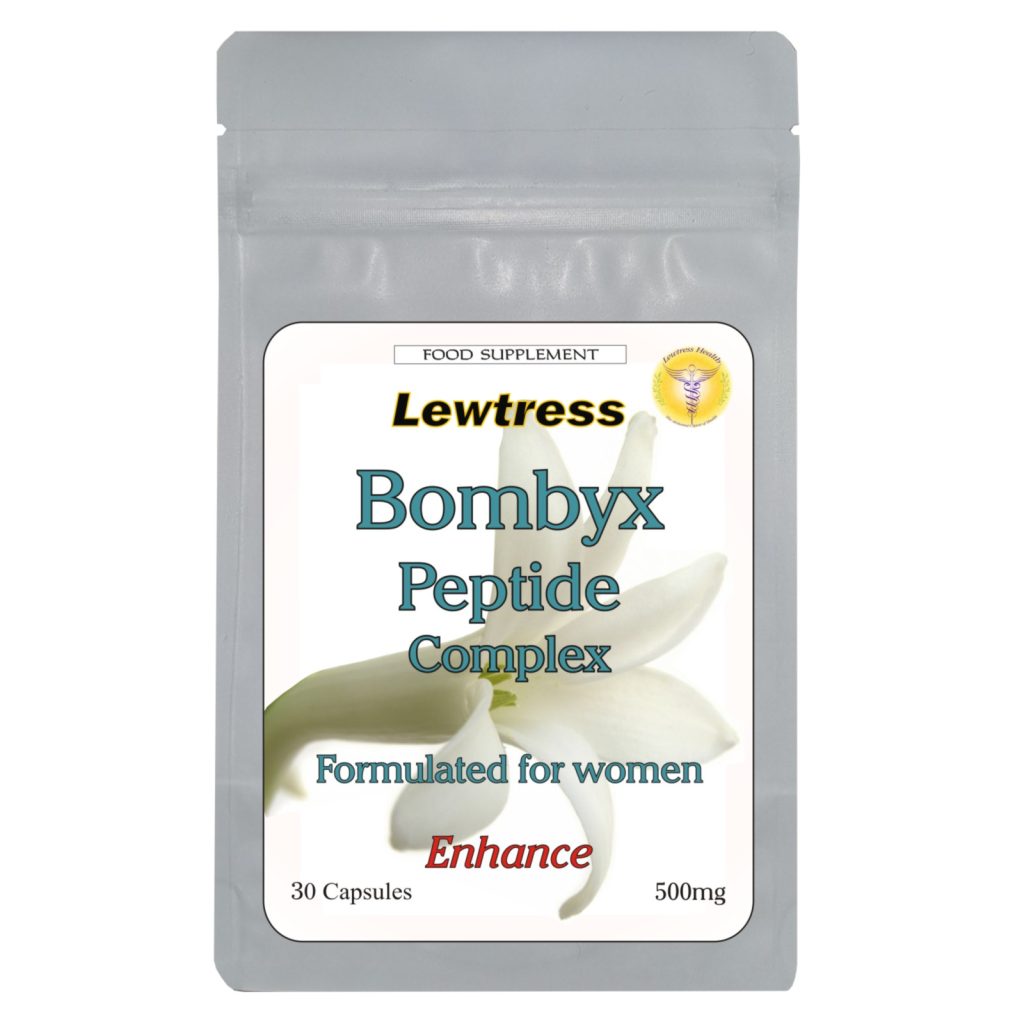
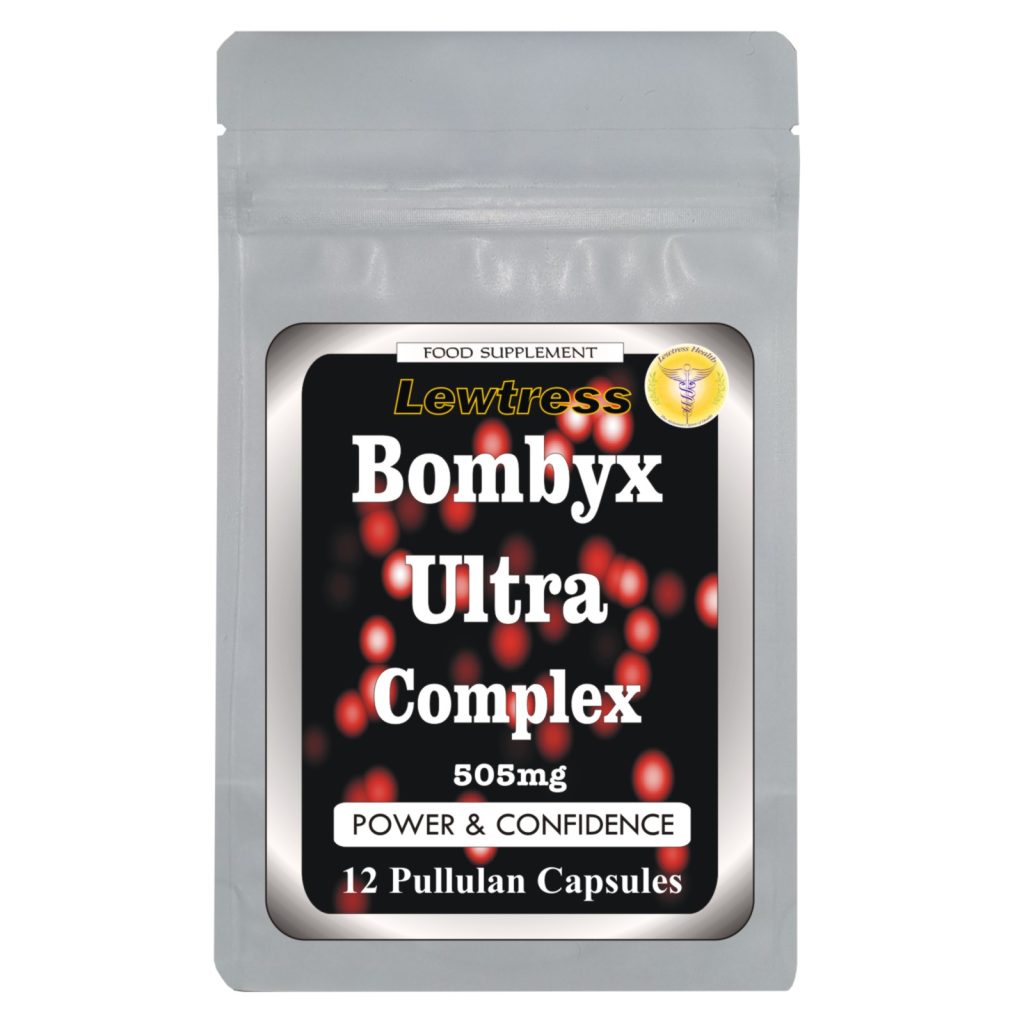
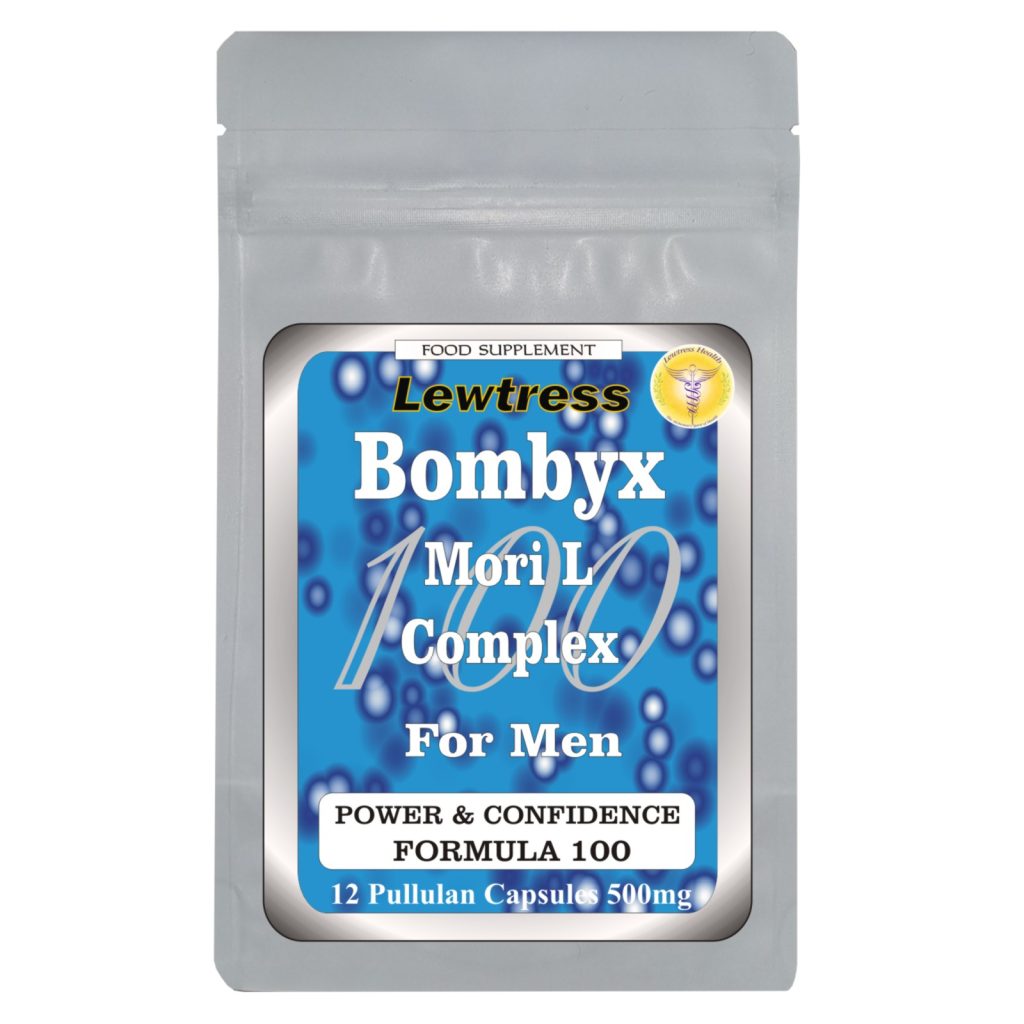
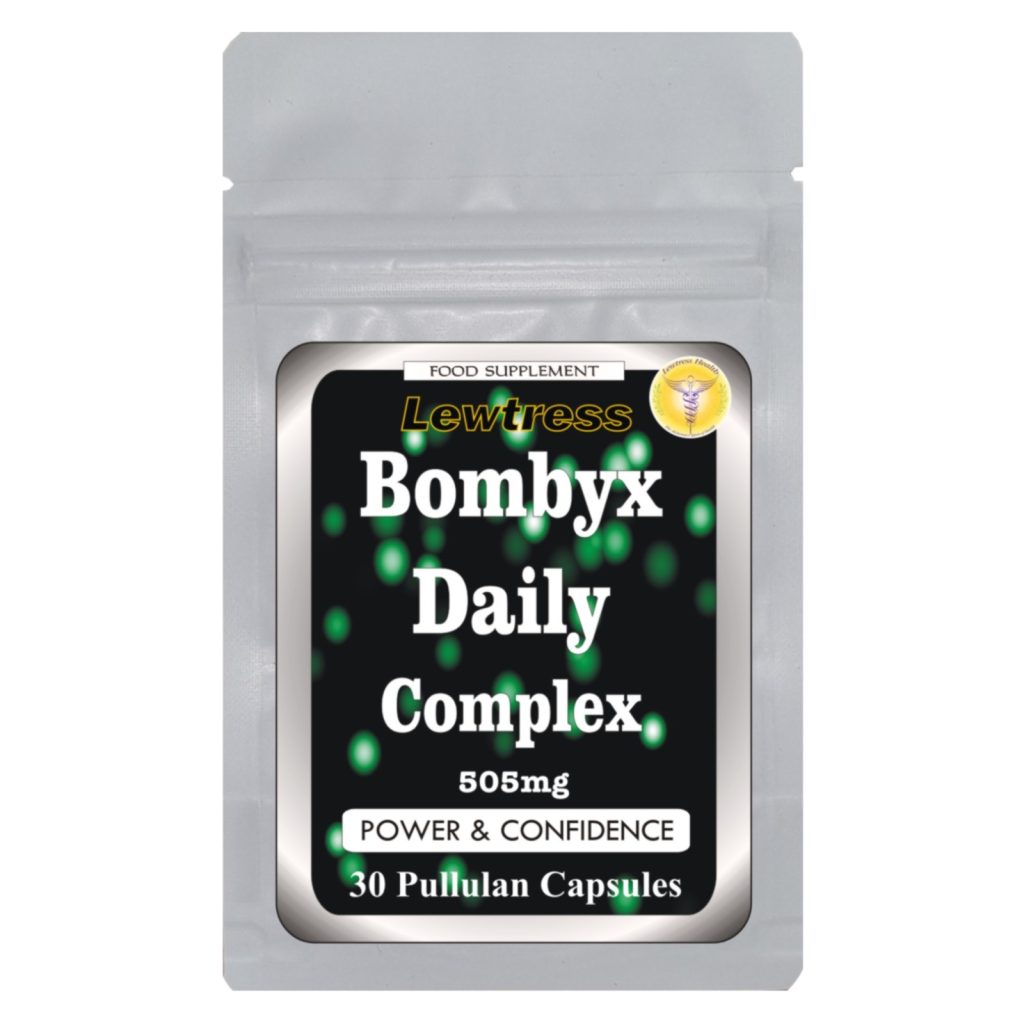
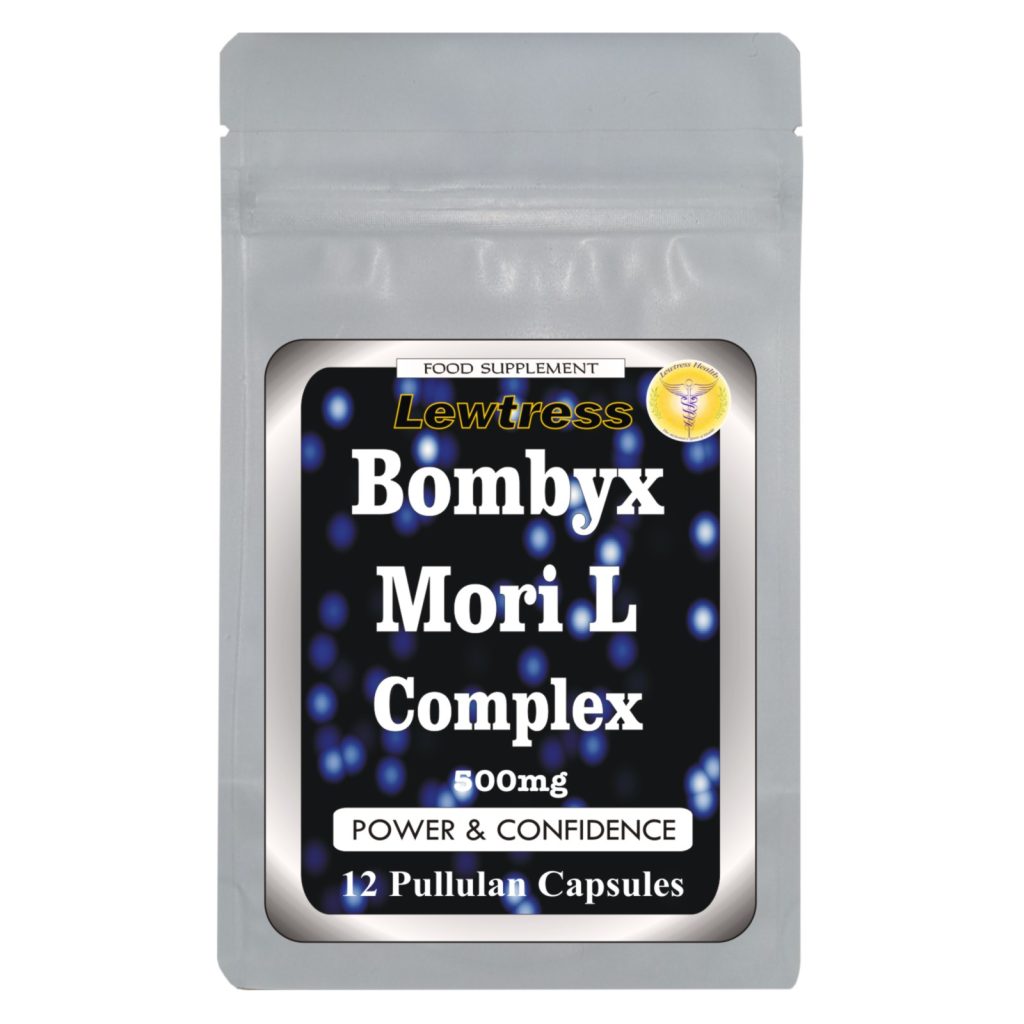
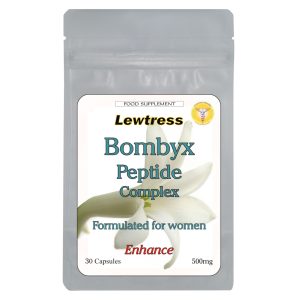
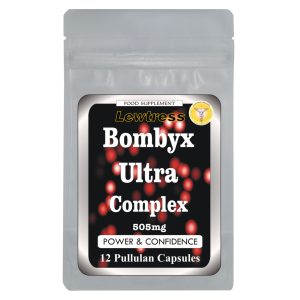
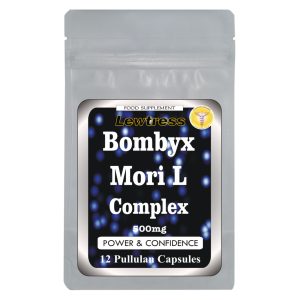
For a limited time, we’re including a complimentary 60-capsule pouch of Lewtress Muira Puama, worth £28.20, with qualifying Bombyx purchases.
There are two ways to qualify:
Option 1: Purchase any three qualifying individual Bombyx packs. Choose three of the same or mix and match across eligible products.
Option 2: Purchase one qualifying Bombyx 3-pack multibuy.
Your complimentary Muira Puama pouch will be added automatically to your qualifying order.
No promotional code required.
Offer ends Saturday 31 October 2026.
One complimentary 60-capsule Muira Puama pouch per qualifying order. Eligible Bombyx products only. Subject to availability.
Wellness Without The Noise explores the history, traditions and interesting stories behind botanical ingredients. References to traditional uses and historical reputations are provided for educational purposes and should not be interpreted as proven health benefits.